
Examine the symptoms that may occur when the internal tissue of the tooth is affected and how the decision for root canal treatment is made. This content is for general information purposes; It is not a substitute for diagnosis or personalized treatment advice.
Why is the internal tissue of the tooth affected?
Deep caries, cracks, trauma or previous large restorations can affect the living tissue of the tooth, called pulp. When bacteria reach this area, inflammation or infection may develop. Since not every pain means root canal treatment, clinical evaluation is required.
What symptoms are important?
Pain that begins spontaneously or increases at night, long-lasting hot-cold sensitivity, significant discomfort while chewing, swelling or discoloration around the tooth may require evaluation. Some infections can progress without significant pain.
How is the diagnosis made?
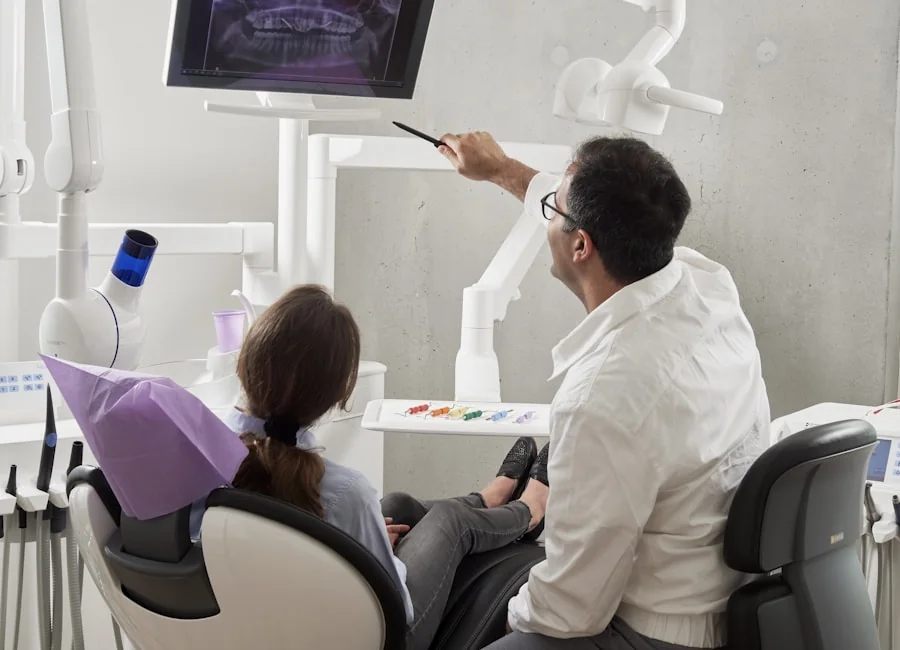
The physician listens to the duration and character of the complaint, performs an oral examination and uses the necessary tests. Radiographic imaging helps evaluate the roots and surrounding tissues. The findings are brought together and a decision is made between filling, root canal treatment or a different approach.
Post-treatment restoration
After the canals are cleaned and filled, the upper structure of the tooth must be restored in a sealed and durable manner. Filling or coating can be planned according to material loss. It is important to protect the tooth from excessive chewing force until completion.
If your symptoms persist or there is a condition such as pain, swelling or trauma, consult a dentist without delay. The appropriate approach for you is determined after a clinical examination.